

Eyelid Surgery Las Vegas: Medical Treatment for Functional Eyelid Conditions
Expert Medical Eyelid Surgery Beyond Cosmetic Enhancement
Understanding Medical Eyelid Conditions vs. Cosmetic Concerns
Functional Eyelid Problems Requiring Surgery

Medical eyelid conditions typically involve:
- Abnormal eyelid position affecting eye protection or vision
- Structural defects that prevent proper blinking or eye closure
- Inflammatory conditions causing chronic irritation
- Traumatic injuries requiring reconstruction
- Skin cancers necessitating tissue removal and repair
- Congenital abnormalities affecting normal development
When Insurance Coverage Applies
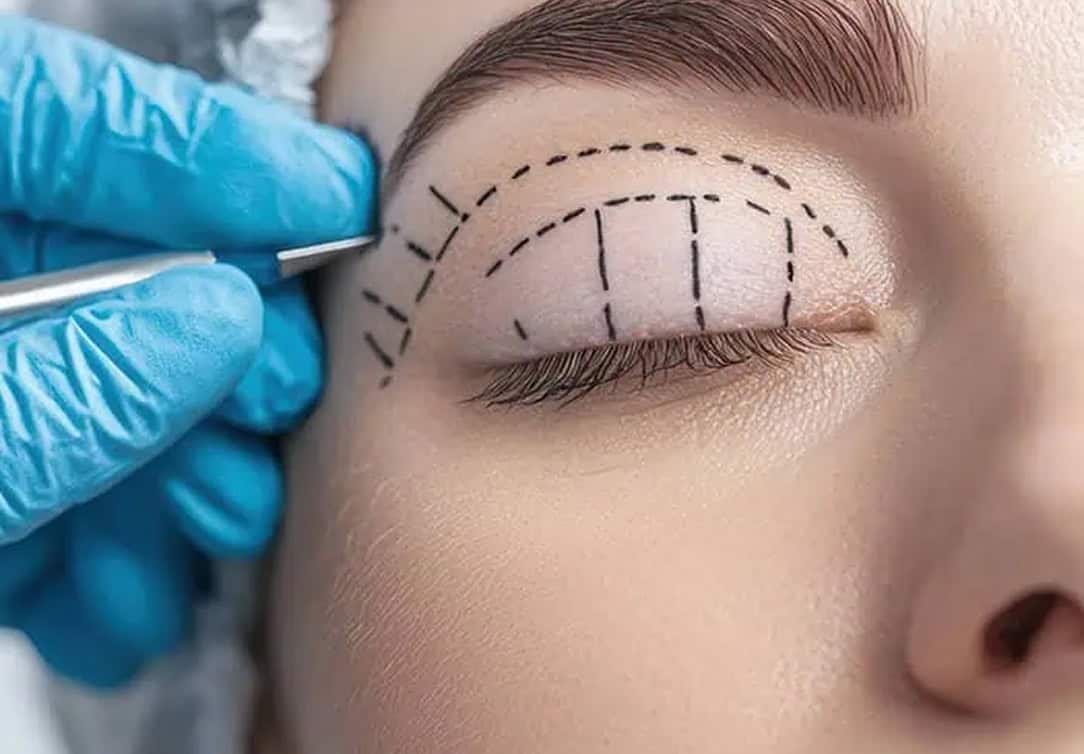
Unlike cosmetic procedures, medical eyelid surgery is typically covered by insurance when:
- Vision is documented to be impaired by the condition
- Functional problems cause significant symptoms
- Medical necessity is established through examination
- Conservative treatments have been unsuccessful
- The condition poses risk to eye health or comfort
Schedule Your Medical Eyelid Surgery Consultation
Don’t let functional eyelid problems compromise your vision, comfort, or quality of life. The fellowship-trained oculoplastic surgeons at New Eyes Oculoplastic Surgery provide expert diagnosis and treatment for all medical eyelid conditions, combining advanced surgical techniques with compassionate patient care.
Primary Conditions Medical Eyelid Treated
Ptosis: Drooping Eyelids That Impair Vision
Ptosis occurs when the upper eyelid droops below its normal position, potentially blocking the visual axis and causing
functional impairment. This condition is particularly common among Nevada residents due to the cumulative effects of intense UV exposure on eyelid tissues.
Types of Ptosis:
- Aponeurotic ptosis: Most common in adults, caused by stretching or detachment of the levator
- Neurogenic ptosis: Results from nerve damage affecting eyelid elevation
- Myogenic ptosis: Involves muscle weakness or dysfunction
- Congenital ptosis: Present from birth, may require early intervention
Symptoms Requiring Treatment:
- Visual field obstruction documented by formal testing
- Compensatory forehead muscle strain causing headaches
- Difficulty with reading or driving due to blocked vision
- Chin-up head position to see clearly
- Eye fatigue from compensatory mechanisms
Surgical Correction Options:
- Our oculoplastic surgeons offer multiple ptosis repair techniques:
- Levator resection: Shortening the primary eyelid lifting muscle
- Müller’s muscle resection: For mild ptosis with good levator function
- Frontalis suspension: Using forehead muscles when levator function is poor
- Tarsal advancement: Repositioning supportive eyelid structures
Entropion: Inward-Turning Eyelids Causing Irritation
- Entropion occurs when the eyelid margin turns inward, causing eyelashes and skin to rub against the eye surface. This condition creates significant discomfort and can lead to corneal damage if untreated. In Las Vegas’ dry climate, entropion symptoms are often exacerbated by reduced tear production and increased evaporation.
Common Causes:
- Age-related tissue laxity and muscle changes
- Scarring from injury, infection, or previous surgery
- Congenital abnormalities affecting eyelid structure
- Inflammatory conditions like Stevens-Johnson syndrome
Symptoms of Entropion:
- Constant foreign body sensation in the eye
- Excessive tearing as a protective response
- Eye redness, pain, and photosensitivity
- Recurrent corneal abrasions
- Blurred vision from corneal irritation
- Mucoid discharge and chronic inflammation
Surgical Treatment Approaches:
- Horizontal tightening procedures: Addressing eyelid laxity
- Everting sutures: Repositioning the eyelid margin outward
- Tarsal wedge resection: Removing excess tissue for proper positioning
- Full-thickness eyelid reconstruction: For severe scarring cases
Ectropion: Outward-Turning Eyelids and Poor Eye Protection
- Ectropion involves the lower eyelid turning outward, exposing the inner eyelid surface and preventing proper tear drainage. This condition is increasingly common in Las Vegas due to sun damage accelerating skin elasticity loss.
Types of Ectropion:
- Involutional ectropion: Age-related tissue laxity (most common)
- Cicatricial ectropion: Caused by scarring and tissue contracture
- Mechanical ectropion: Results from eyelid masses or excessive weight
- Paralytic ectropion: Due to facial nerve weakness
Functional Problems:
- Inadequate eye surface protection
- Poor tear distribution and drainage
- Chronic eye exposure and drying
- Increased risk of eye infections
- Cosmetic concerns affecting social confidence
Surgical Correction Methods:
- Lateral tarsal strip procedure: Most common technique for age-related ectropion
- Medial spindle procedure: Addressing medial eyelid laxity
- Skin grafting: For cicatricial ectropion with tissue shortage
- Canthopexy/canthoplasty: Reinforcing eyelid support structures
Trichiasis and Distichiasis: Abnormal Eyelash Growth
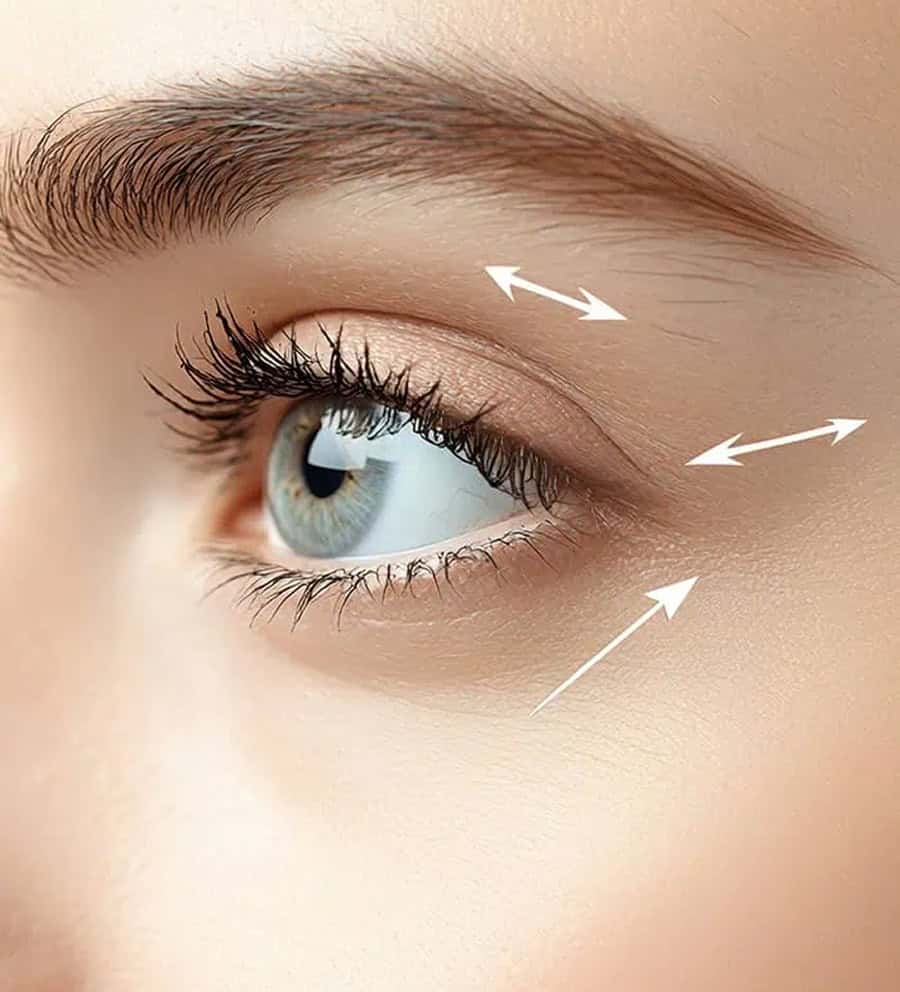
- These conditions involve eyelashes growing in abnormal directions or locations, causing chronic eye irritation and potential corneal damage.
Trichiasis Features:
- Normal eyelashes growing inward toward the eye
- Often follows infection, trauma, or inflammatory conditions
- May affect just a few lashes or entire eyelid segments
- Can cause severe corneal scarring if untreated
Distichiasis Characteristics:
- Extra row of eyelashes growing from abnormal locations
- Usually congenital but can be acquired
- May be associated with other eyelid abnormalities
- Varies from few aberrant lashes to complete extra row
Book an Appointment.
Treatment Options:
- Electrolysis: Permanent destruction of individual lash follicles
- Cryotherapy: Freezing treatment for multiple aberrant lashes
- Laser ablation: Precise removal of abnormal lash follicles
- Surgical excision: Removing tissue containing aberrant follicles
Eyelid Skin Cancer Reconstruction
- Nevada has among the highest skin cancer rates in the United States due to intense UV exposure and high altitude. Eyelid skin cancers require specialized treatment to ensure complete removal while preserving eyelid function and appearance.
Common Eyelid Skin Cancers:
- Basal cell carcinoma: Most common, typically slow-growing
- Squamous cell carcinoma: Most common, typically slow-growing
- Melanoma: Most common, typically slow-growing
- Sebaceous gland carcinoma: Most common, typically slow-growing
Mohs Surgery and Reconstruction:
- We work closely with Mohs surgeons for cancer removal, then provide immediate reconstruction:
- Direct closure: For small defects with adequate tissue
- Skin grafts: Using skin from other body areas
- Local flaps: Repositioning nearby tissue for repair
- Direct closure: For small defects with adequate tissue
- Complex reconstruction: Multi-stage procedures for large defects
Post-Cancer Surgery Recovery:
- Careful wound monitoring in Las Vegas’ dry climate
- Sun protection protocols to prevent recurrence
- Long-term surveillance for new cancer development
- Functional assessment and additional reconstruction if needed
Pediatric and Congenital Eyelid Abnormalities
- Children may be born with or develop eyelid conditions requiring specialized surgical management:
Congenital Ptosis
- May cause amblyopia (lazy eye) if vision is blocked
- Often requires early surgical intervention
- Different surgical techniques than adult ptosis
- Long-term follow-up needed as child grows
Eyelid Colobomas
- Missing portions of eyelid tissue
- Can affect upper or lower eyelids
- May be associated with other facial abnormalities
- Require reconstruction to protect the eye
Epicanthal Folds and Asian Eyelid Surgery
- Not typically medical conditions requiring surgery
- May be associated with other congenital syndromes
- Surgical modification should be carefully considered
- Cultural sensitivity essential in treatment discussions
Advanced Surgical Techniques and Technologies
Minimally Invasive Approaches
- Radiofrequency treatments: For minor eyelid tightening
- Plasma technology: Skin tightening without incisions
- Injectable treatments: Temporary improvement for some conditions
- Laser procedures: Precise tissue modification
Computer-Assisted Planning
- Digital imaging: Precise measurement and planning
- Symmetry analysis: Ensuring optimal bilateral results
- Surgical simulation: Predicting outcomes before surgery
- Custom implant design: For structural reconstruction
Tissue Preservation Techniques
- Autologous grafting: Using patient’s own tissues
- Preserved tissue banks: Specialized materials when needed
- Regenerative techniques: Promoting natural healing
- Staged procedures: Optimizing results through multiple surgeries
Recovery Considerations for Las Vegas Patients Climate
Immediate Post-Operative Care
- Medical eyelid surgery recovery requires attention to Las Vegas’ unique environment:
First 48 Hours:
- Cold compress application (important in dry climate)
- Elevation of head during sleep
- Protection from wind and dust
- Antibiotic ointment application as directed
First Week:
- Suture removal (typically 5-7 days)
- Gradual return to indoor activities
- Continued eye protection and lubrication
- Avoidance of strenuous activity
Long-Term Recovery Factors
The area around your eyes contains some of the most delicate and important structures in your body. Your choice of surgeon directly impacts both your aesthetic results and long-term eye health. Oculoplastic surgeons like those at New Eyes Oculoplastic Surgery offer distinct advantages:
Sun Protection:
- Critical importance in preventing recurrence
- High-SPF sunscreen and protective eyewear
- Modified outdoor activity schedules during healing
- Long-term UV protection habits
Dry Climate Management:
- Enhanced artificial tear use
- Humidification in air-conditioned environments
- Adequate systemic hydration
- Protection from wind and dust
Activity Modifications:
- Gradual return to exercise and sports
- Eye protection during outdoor activities
- Swimming restrictions until complete healing
- Work modifications if environmental exposure involved
Book an Appointment.
Insurance Coverage and Documentation
Medical Necessity Criteria
- For insurance coverage, conditions must typically demonstrate:
- Functional impairment:Vision obstruction or eye protection problems
- Symptomatic relief:Addressing pain, irritation, or discomfort
- Progressive nature: Worsening without treatment
- Conservative treatment failure: When applicable
Required Documentation
- We assist with comprehensive documentation including:
- Visual field testing: For ptosis and dermatochalasis
- Clinical photography: Before and after documentation
- Symptom questionnaires: Functional impact assessment
- Medical history: Previous treatments and outcomes
When to Seek Medical Surgery Evaluation
Urgent Consultation Indicators
Seek immediate evaluation for:
- Sudden eyelid position changes
- New growths or changes in existing lesions
- Eye irritation not responding to conservative treatment
- Vision changes associated with eyelid problems
Routine Evaluation Appropriate For
- Visual field obstruction documented by formal testing
- Compensatory forehead muscle strain causing headaches
- Difficulty with reading or driving due to blocked vision
- Chin-up head position to see clearly
- Eye fatigue from compensatory mechanisms
Routine Evaluation Appropriate For
- Seek immediate evaluation for:
- Chronic eye irritation or tearing
- Difficulty with eyelid closure
- Cosmetic concerns following medical treatment
- Family history of eyelid conditions
Pediatric Referral Guidelines
- Children should be evaluated for:
- Drooping eyelids affecting vision
- Abnormal eyelash growth patterns
- Eyelid masses or growths
- Asymmetric eyelid development
For Healthcare Providers
- We welcome referrals from primary care physicians, optometrists, and other healthcare providers. Our services include:
- Expedited consultation scheduling
- Comprehensive evaluation and treatment planning
- Detailed consultation reports
- Collaborative care coordination
- Emergency consultation availability
- Whether you’re experiencing symptoms of eyelid malposition, have been diagnosed with a medical eyelid condition, or need reconstruction following skin cancer treatment, our specialized expertise ensures optimal functional outcomes while maintaining natural appearance and protecting your precious vision.